2025Japan with a Baby: Practical Notes from the Road
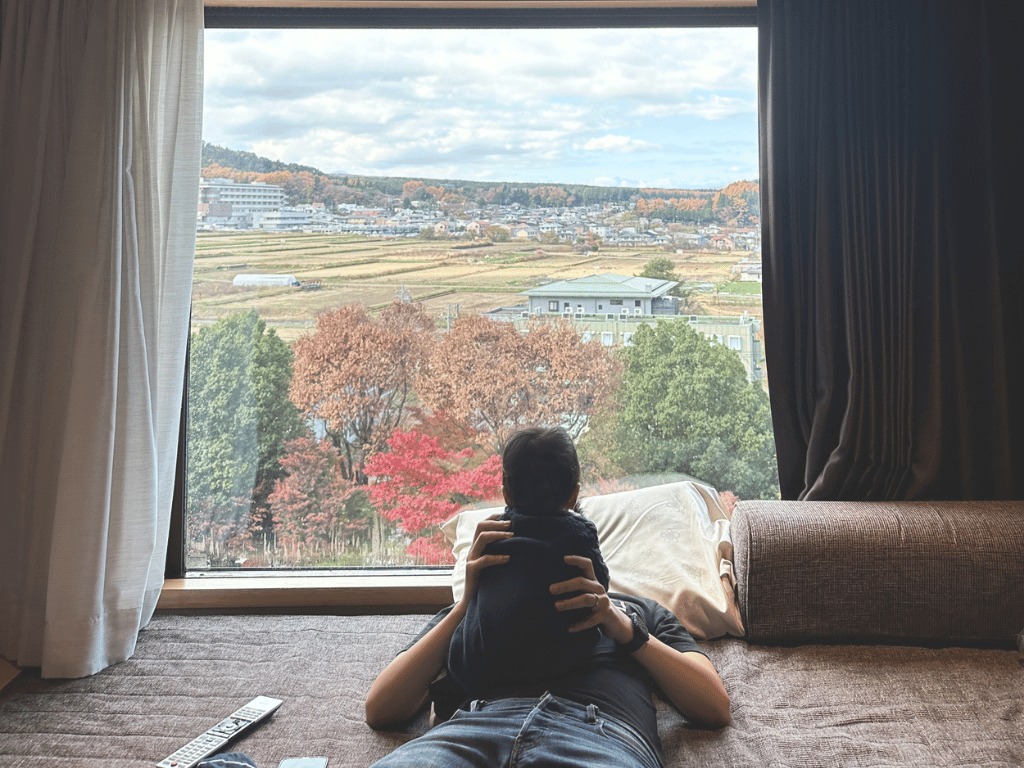
A collection of practical notes and observations from travelling around Japan with a baby — from flights and road trips to trains, malls, dining, and day-to-day logistics.
Overview
Getting Around
Driving in Japan with a Baby
Daily Practicalities
Travelling There
ANA vs Singapore Airlines — Infant Experience
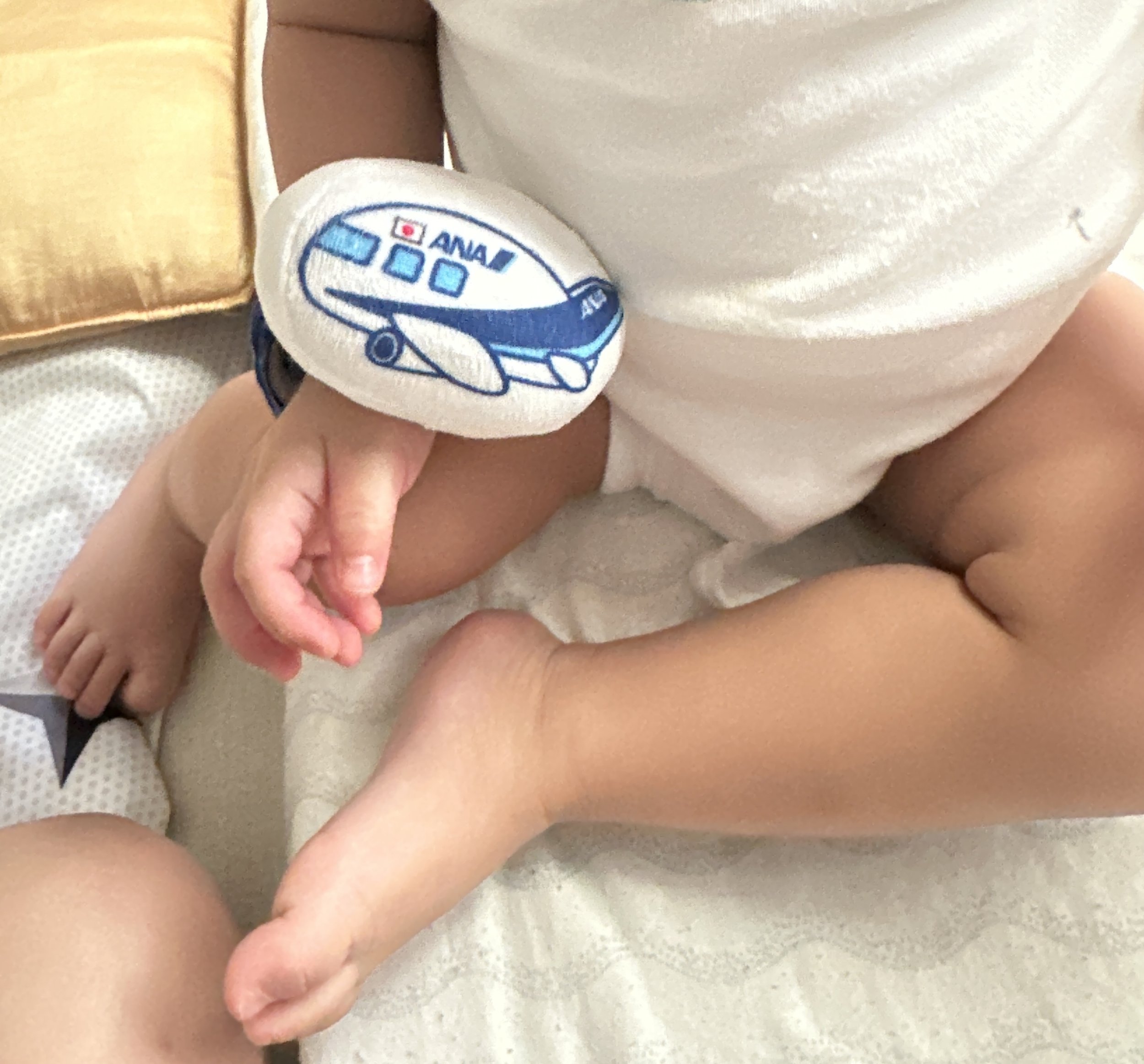
One difference worth knowing before you book: on ANA, infants are not required to be belted during the flight. On Singapore Airlines, an infant seatbelt is required during turbulence, take-off, and landing. As our little one became more active and curious with age, the ANA policy made a noticeable difference to how manageable the flight felt.
Both airlines were comfortable overall, though the service styles and onboard setups differed slightly. One additional note: if you're flying a route operated by a partner carrier on behalf of ANA, the service experience may differ from a mainline ANA flight. Worth checking the operating carrier when booking, not just the ticketing airline.
On bassinet seats with ANA: once your flight is confirmed, you'll need to email the airline separately to request the bassinet. It isn't automatically assigned even if you've selected a bassinet row at booking. Do this as early as possible as availability is limited.
Pre-Flight Prep
Before arrival, complete Japan’s pre-arrival procedures in advance, including immigration declarations and QR code registrations through this website.
While airport staff are available to guide travellers on arrival, having everything prepared beforehand made the immigration process noticeably smoother and faster for us.
Food & Customs Restrictions
Japan has fairly strict customs regulations for food imports, particularly for fresh produce and certain agricultural items.
We only brought ikan bilis powder for our baby, which was allowed through after declaration and inspection. If you are planning to bring baby food ingredients or cook during your trip, it’s worth checking Japan’s latest import restrictions carefully before departure.
Getting Around
Trains
Japan’s train system is generally efficient and stroller-friendly, though not all stations have lift access.
At some stations, we found ourselves needing to carry the stroller up and down flights of steps, so it helps to plan routes ahead if travelling heavily with a stroller. Having a baby carrier as a backup can make transfers easier in these situations.
Priority carriages are available on certain train lines, with signs usually marked on the platform floor. Priority seating within train cabins is also clearly indicated.
Stroller Considerations
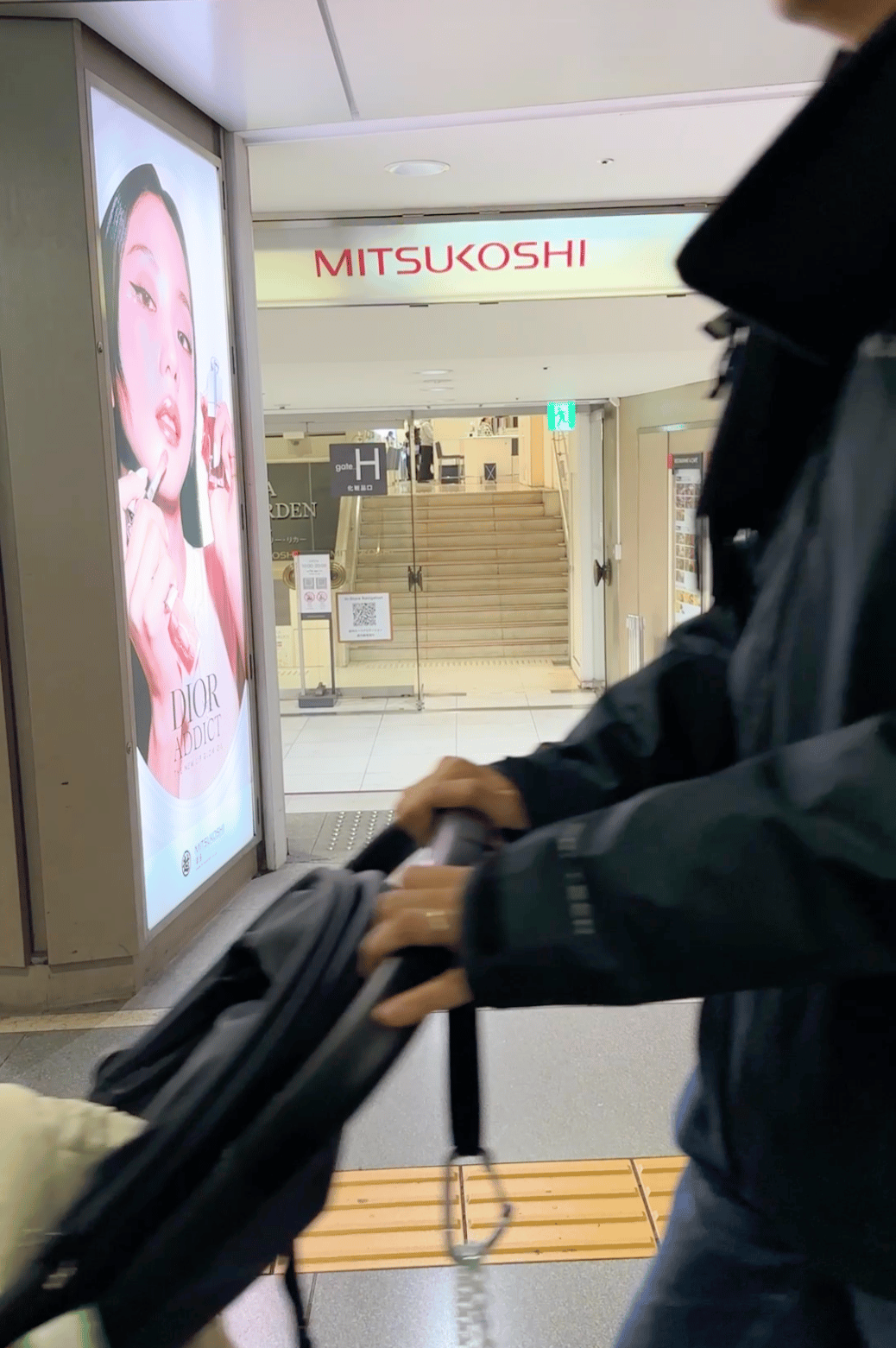
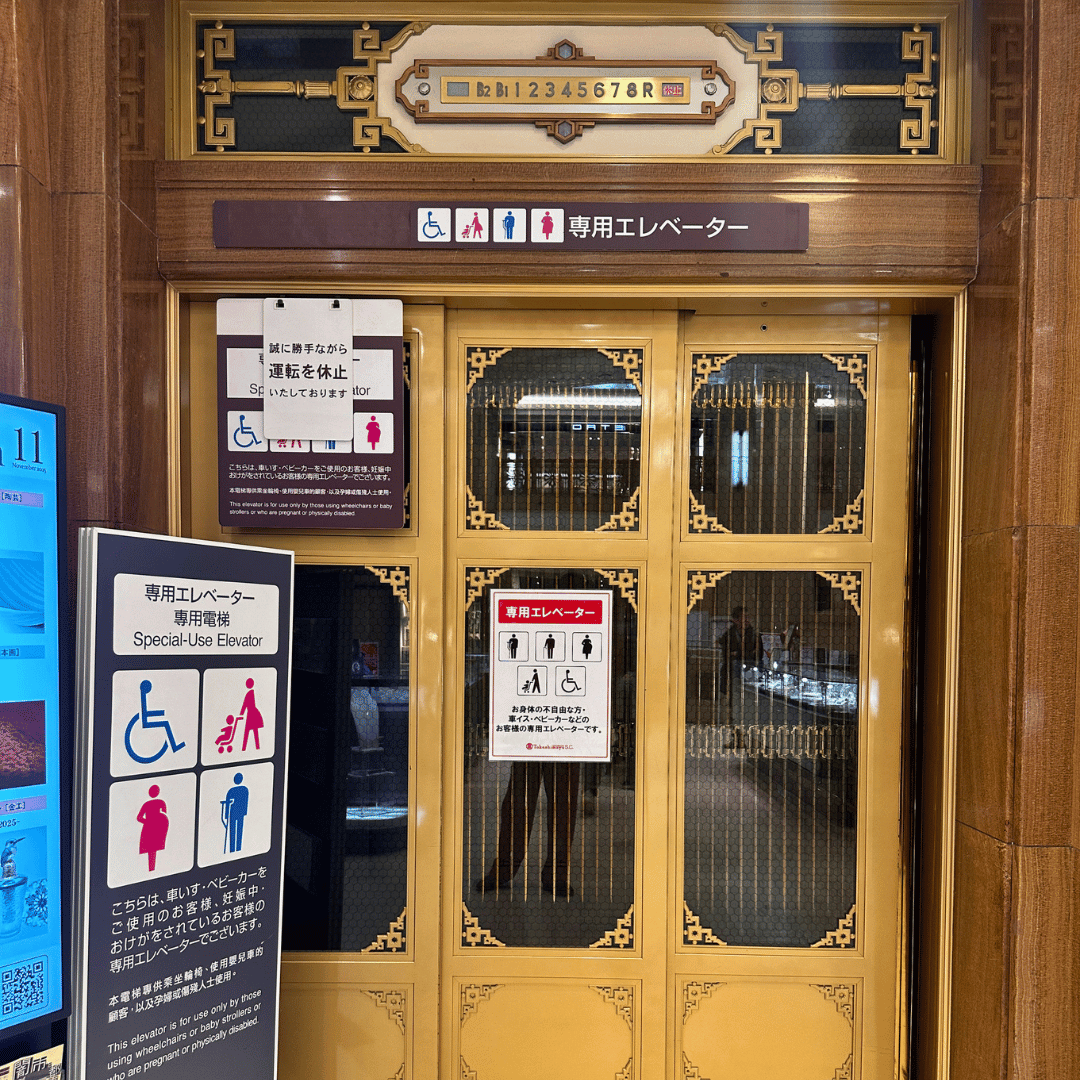
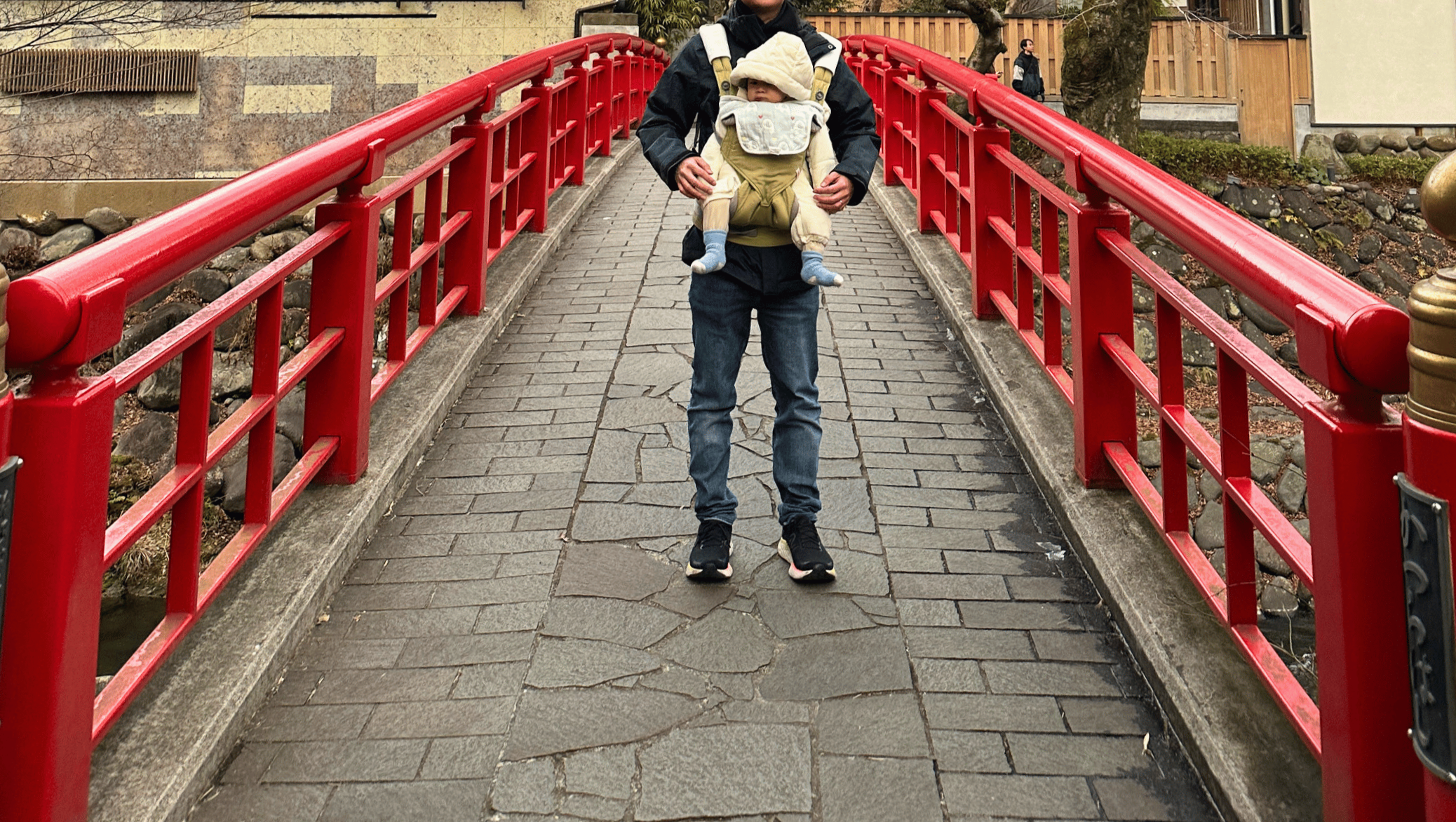
Japan is generally very stroller-friendly, especially in malls and department stores — Takashimaya, Mitsui, and Daimaru all had stroller-accessible lifts across multiple floors. Smaller restaurants, sushi bars, and independent shops are a different story. Spaces can be narrow and compact, and strollers are often not practical or permitted inside. We found it easier to use the carrier in these situations and keep visits shorter.
Getting Around | Driving
International Driving Permit
An International Driving Permit (IDP) is required if you plan to rent and drive a car in Japan.
This must be arranged before departure, as it cannot be issued upon arrival in Japan. The IDP is in Singapore by Automobile Association of Singapore. Walk-ins are processed on the spot, or apply online with 10 working days lead time.
Car Rental
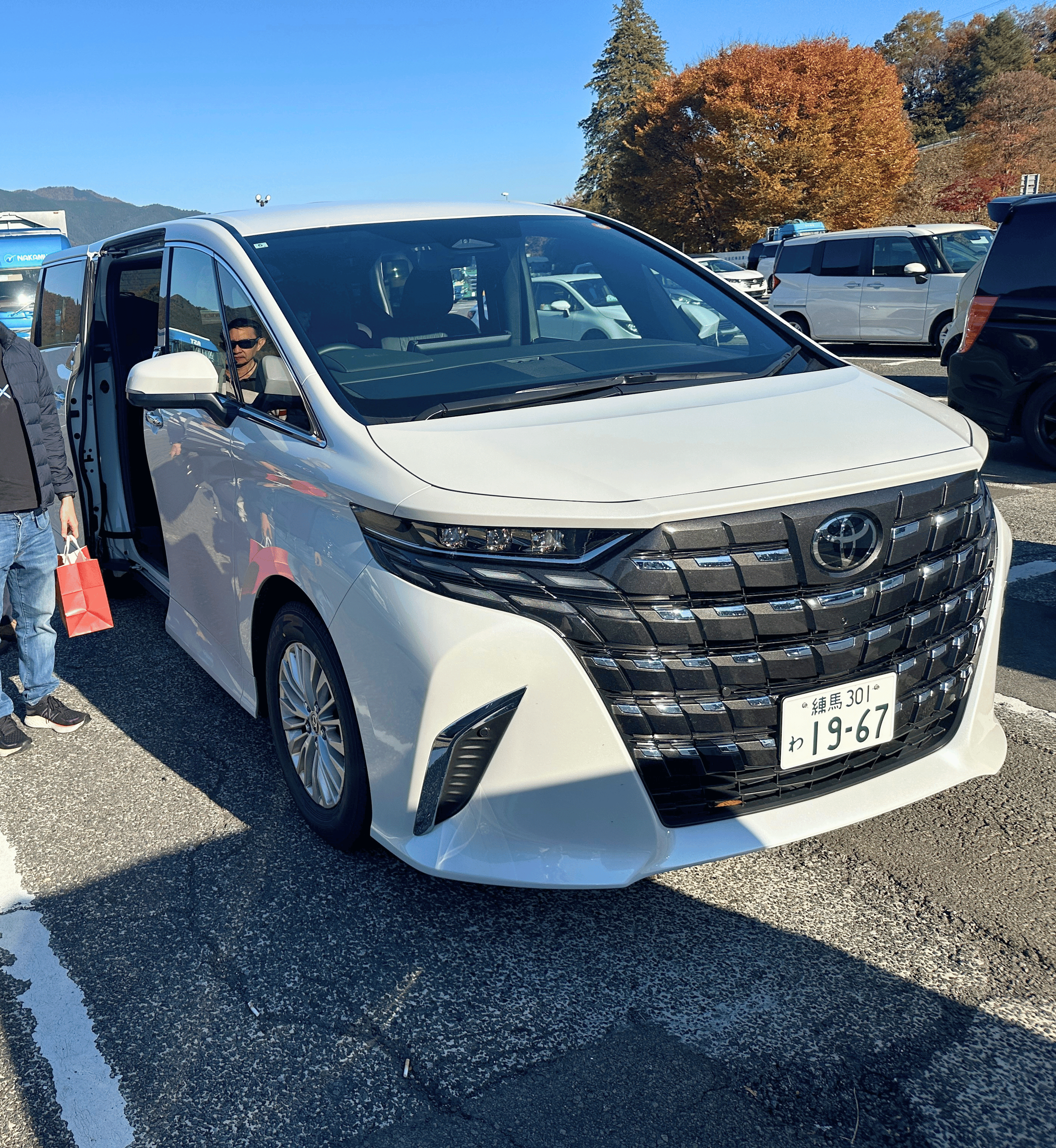
We've booked through both Toyota Rent a Car and Nissan Rent a Car across our trips. Both are reliable and widely available across Japan.
Booking
Nissan's website was slightly more user-friendly when toggling between different date and location combinations. Worth trying both to compare availability and pricing for your specific trip. Before confirming, check the cancellation policy for your chosen provider — useful to know in case plans change.
What's Included
Both offer a range of vehicle types depending on your group size and luggage, with optional add-ons including a baby car seat, drive recorder, and ETC card for paying expressway tolls. Toll charges are paid separately on top of the rental fee. The baby car seat is prepared and installed in advance, ready for you upon collection. Insurance coverage is available to varying degrees — worth reviewing the options at the point of booking.
Pick Up & Return
Pick-up and return locations are available across different prefectures so you can collect in one city and return in another, which suited our road trip format well. Most locations are conveniently situated near airports and major train stations.
At collection, the process is generally fuss-free since everything is settled online beforehand. Walk around the car before driving off and check for any existing scratches or dents. Flag these to staff and have them noted so there's no ambiguity on return. Cars are generally clean, comfortable, and well-maintained.
Driving
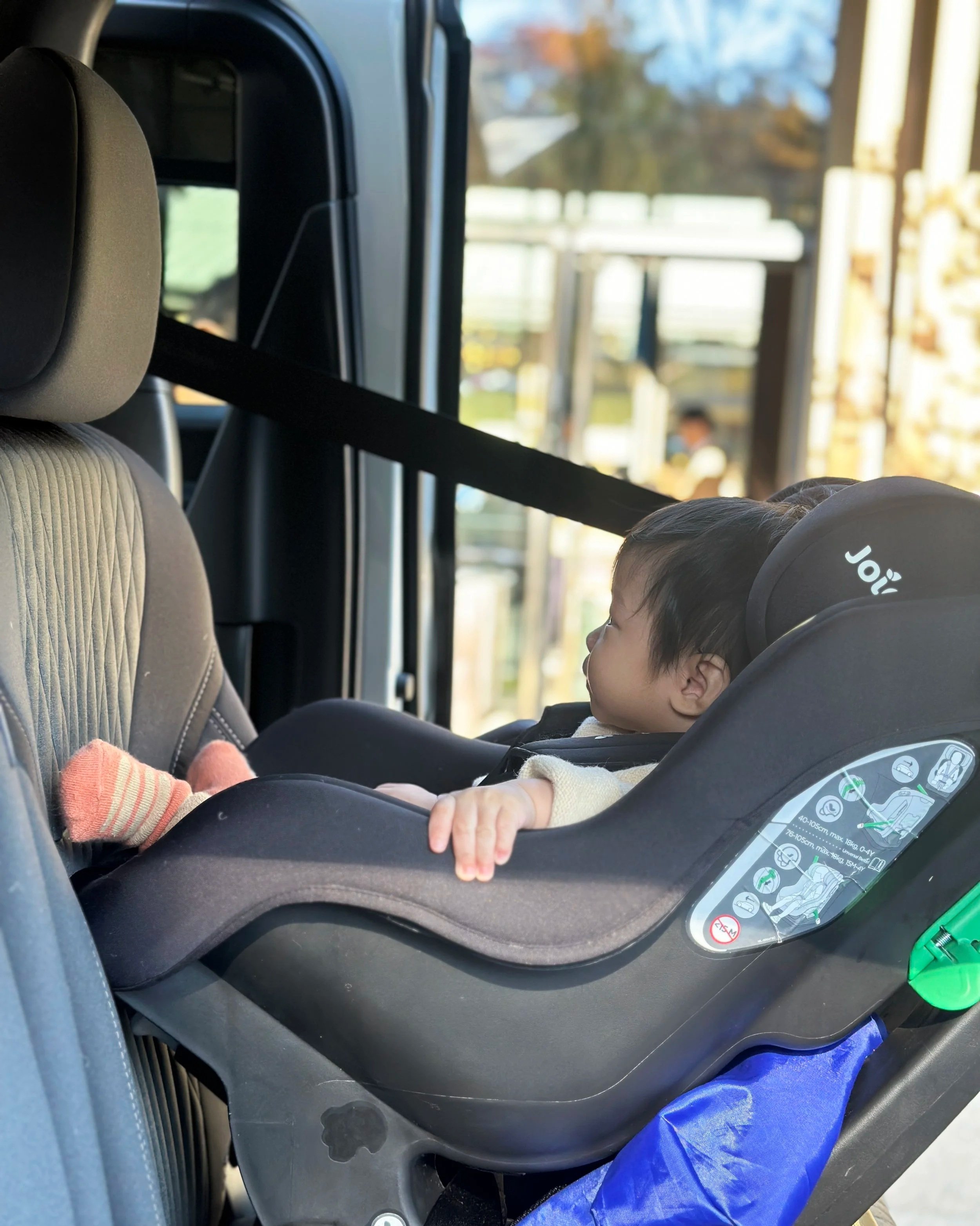
This generally felt straightforward, even while travelling with a baby. Roads were well-signposted, traffic felt orderly, and the overall driving experience was relatively stress-free.
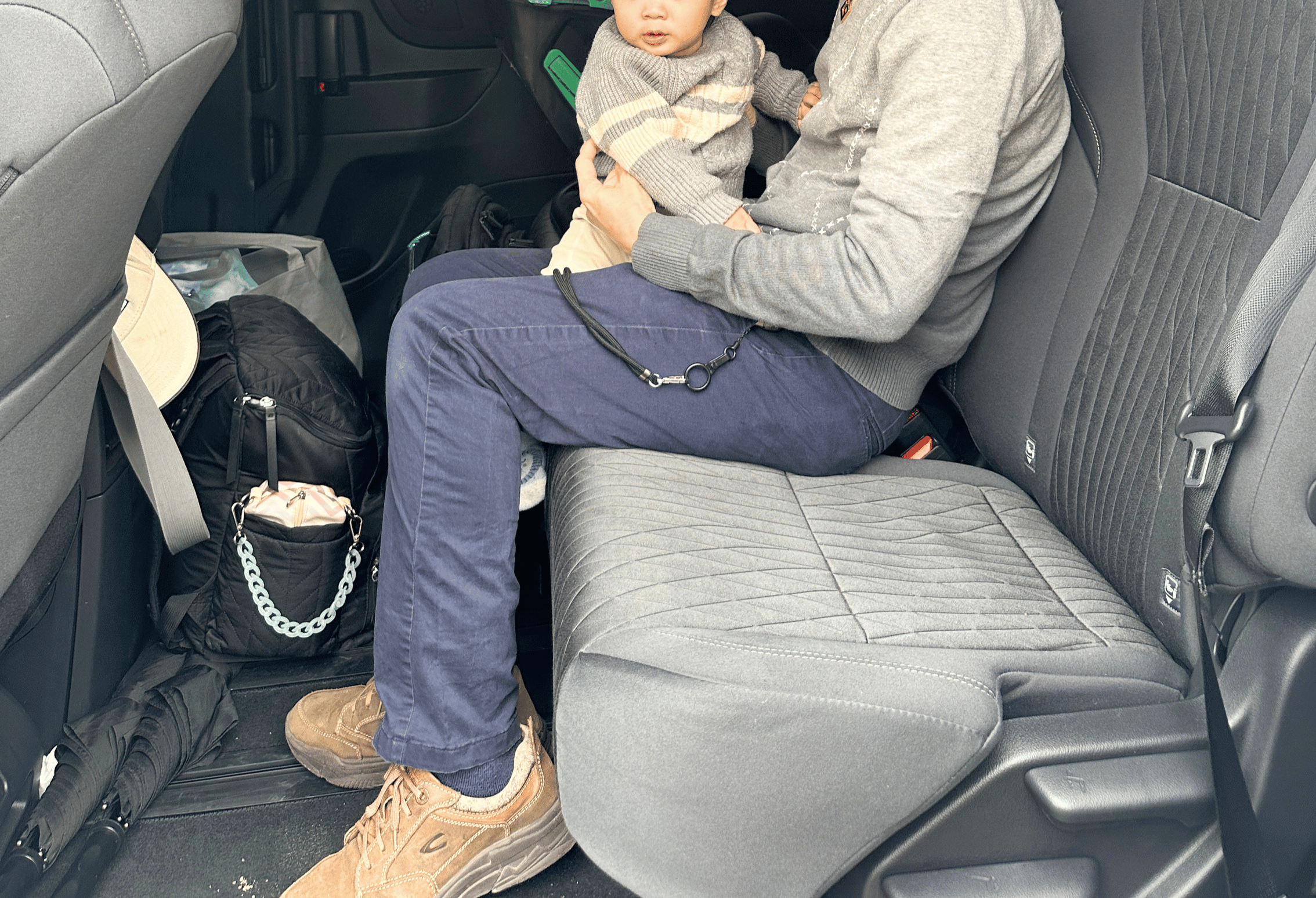
Most car rental companies offer child car seat options, and ours was already installed upon collection, which made pickup fuss-free.
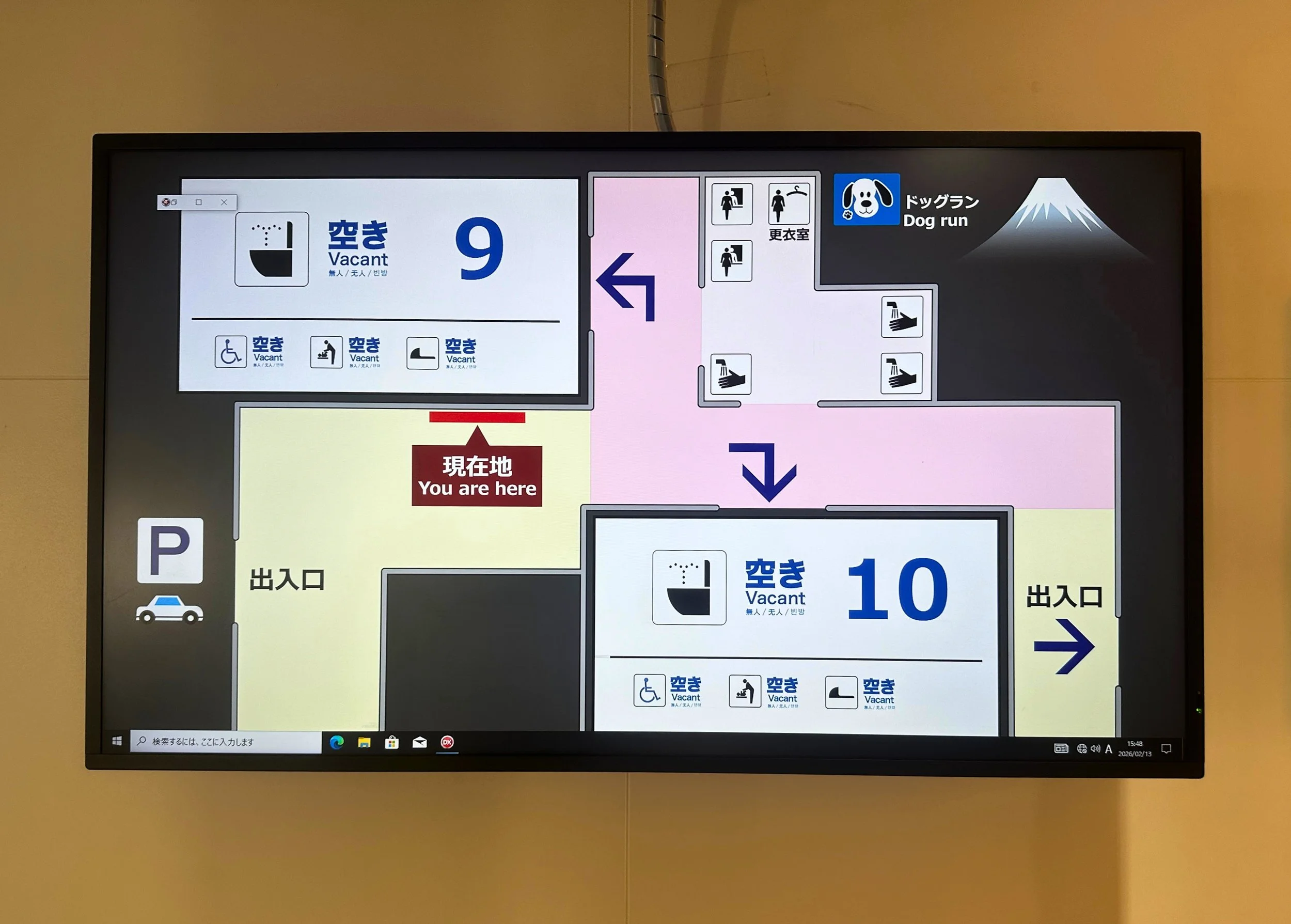
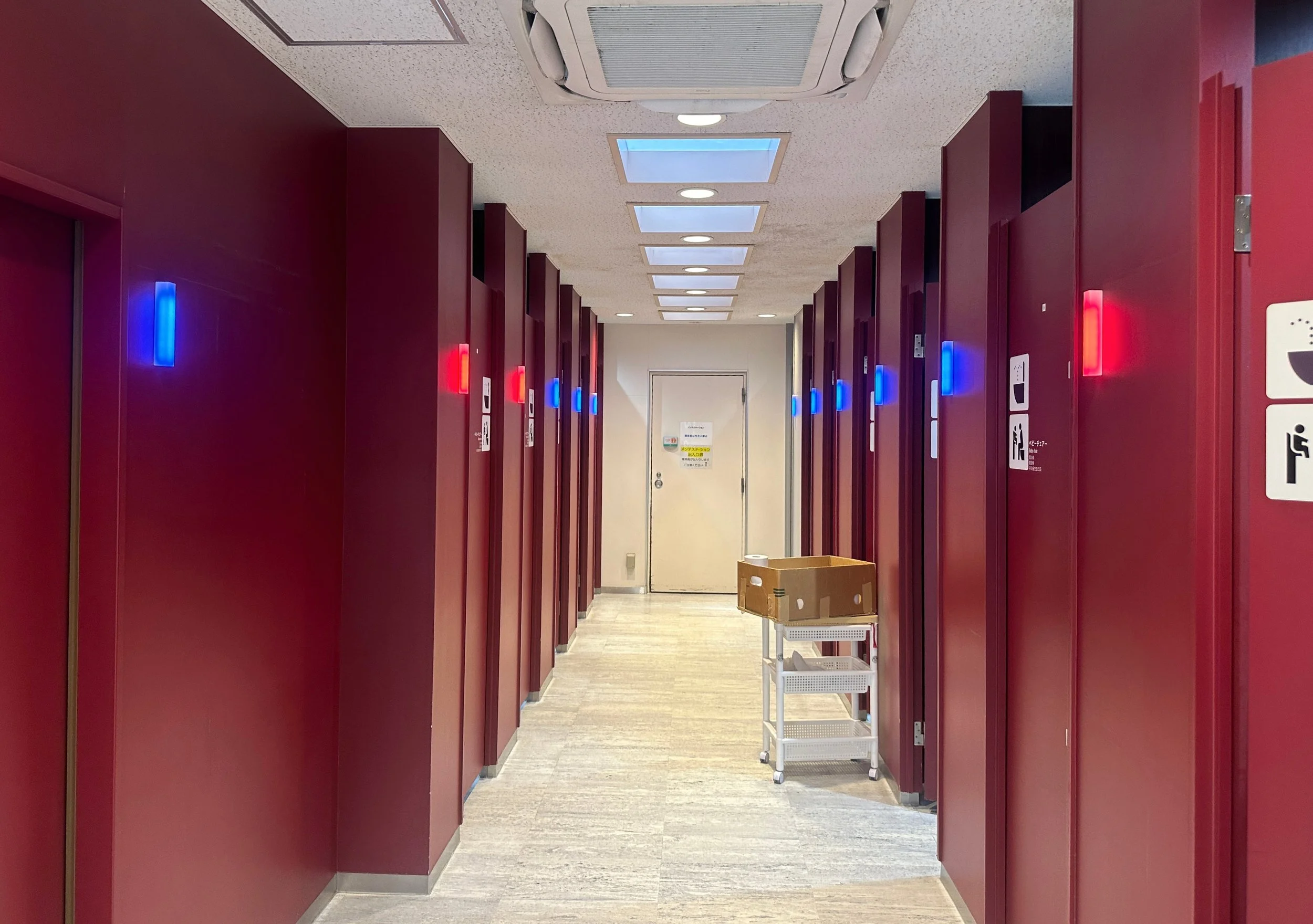
One of the biggest advantages of road-tripping in Japan was the quality of the rest stops. Many were exceptionally clean and thoughtfully designed, with diaper-changing rooms, convenience stores, food options, and proper seating areas.
Convenience stores such as 7-Eleven, FamilyMart, and Lawson were also easy to find throughout the trip. Many offered microwaves, hot water, and seating areas, which made formula preparation and quick meal stops much easier while travelling with a baby.
Daily Practicalities
Dining Out
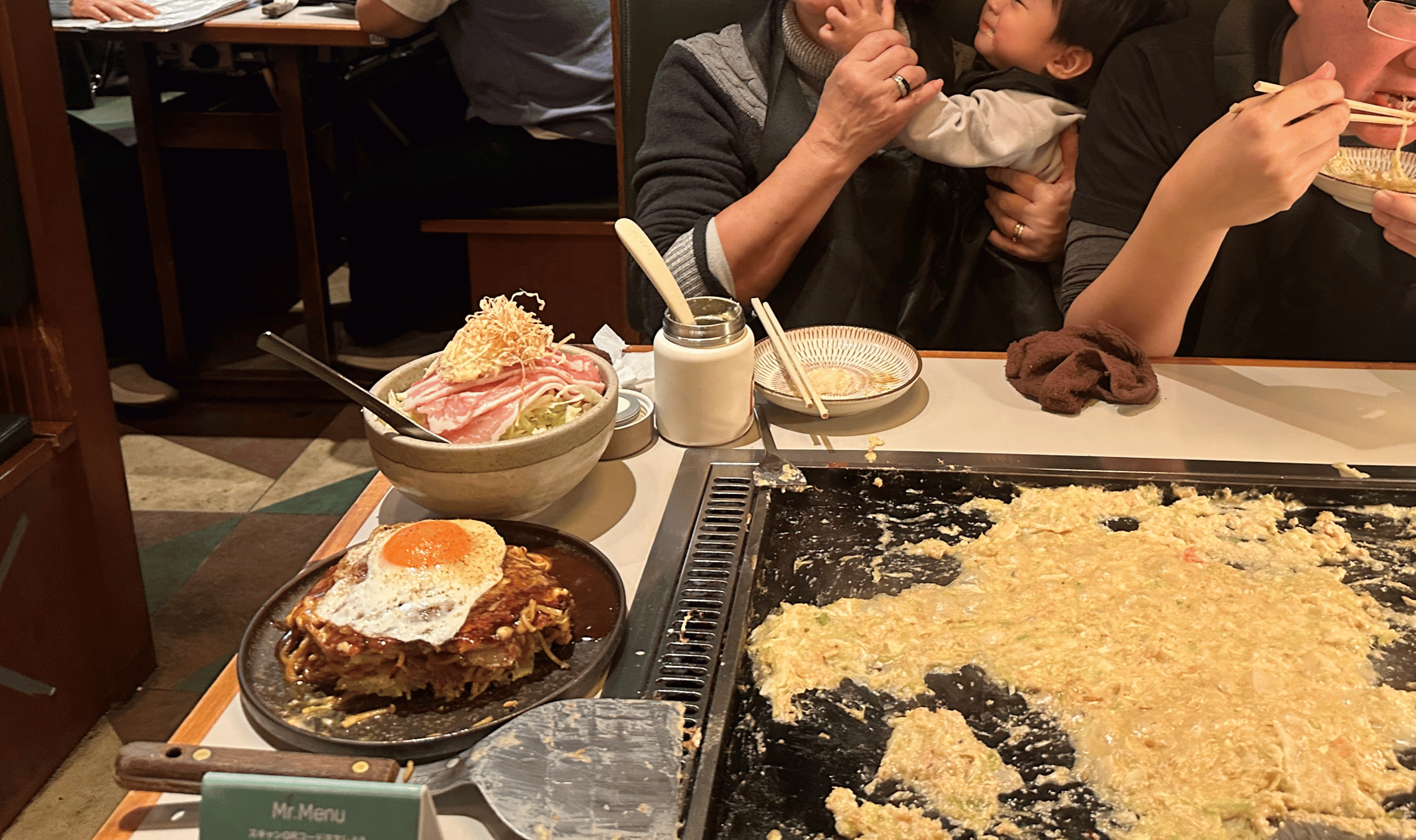
Dining out in Japan worked well for the most part, though the type of restaurant made a real difference.
Not all restaurants provide baby chairs, particularly smaller establishments and sushi bars where seating can be tighter and more compact. In some places, strollers were not allowed inside due to limited space.
We found it easier to keep meals shorter in these settings, or take turns eating when needed.
Hotel buffet breakfasts were also surprisingly helpful while travelling with a baby, as we occasionally packed simple items for later meals during the day.
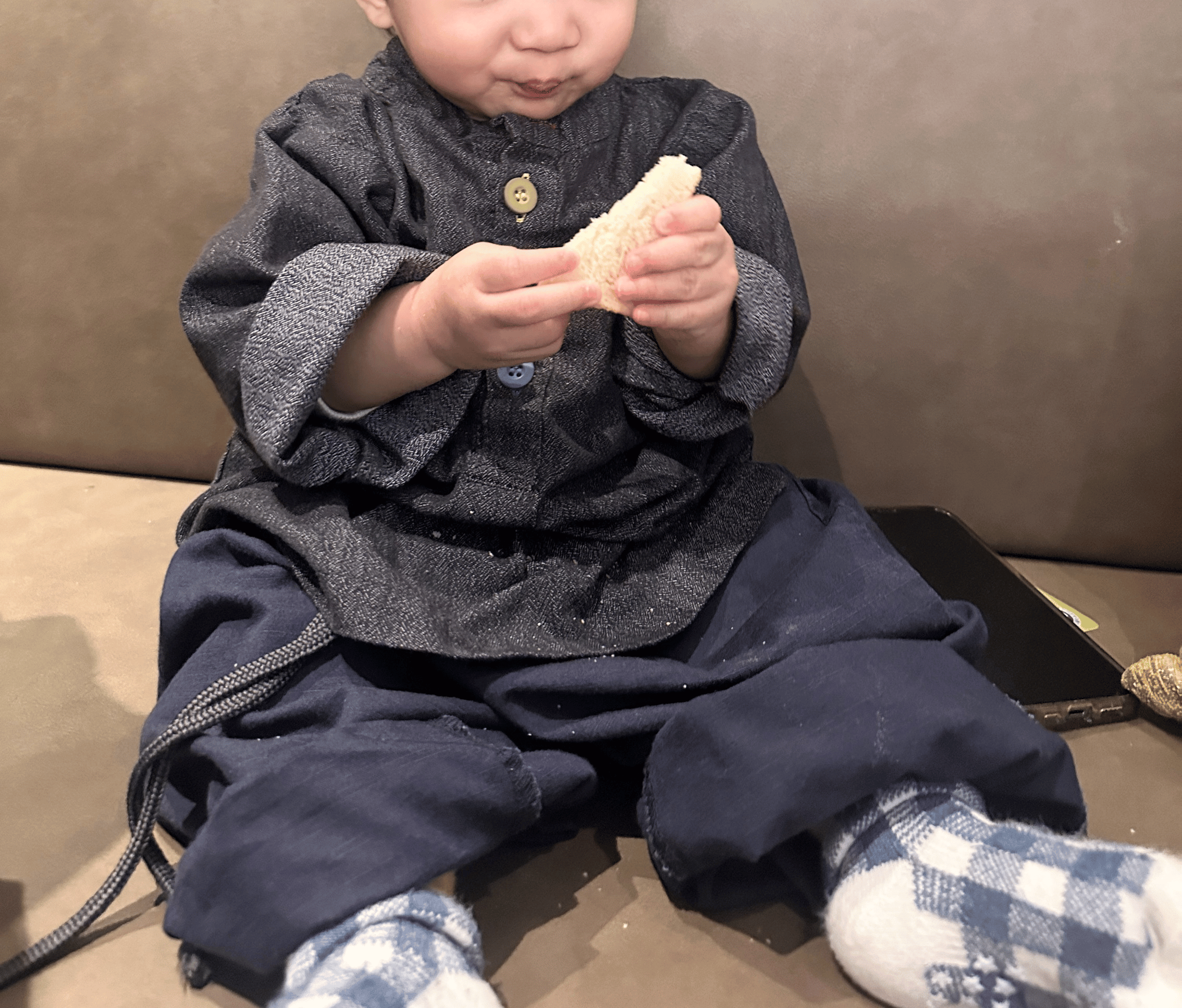
Dressing Baby for Cold Weather
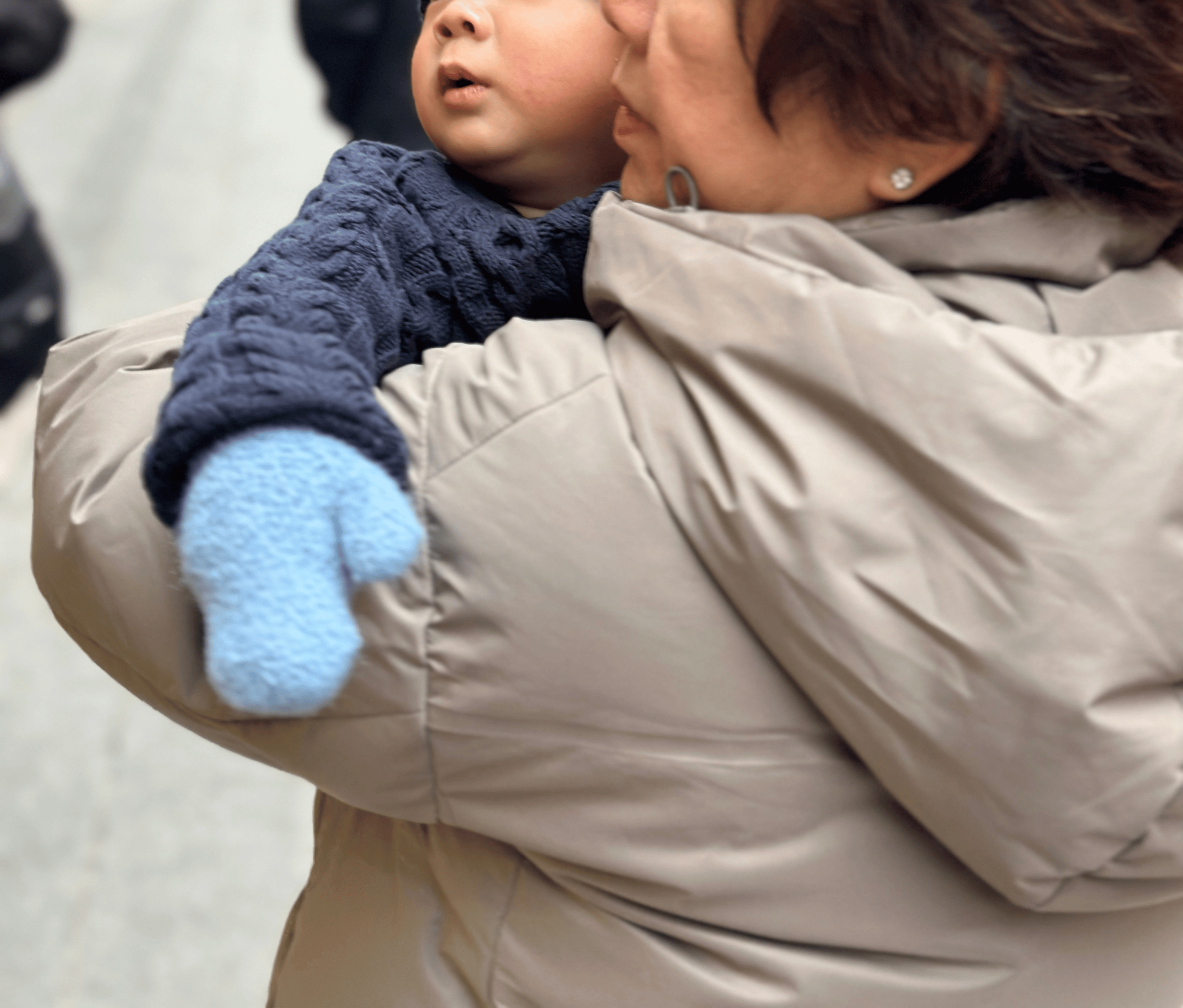
Layering is essential for Japan in the colder months — and the approach we settled on was simple: dress our little one in the same number of layers as ourselves, matching the thickness of our own clothing. Thermals, outerwear, jacket — if we were wearing it, so was he.
Always pack extra layers for flexibility, particularly when moving between heated indoor spaces and colder outdoor environments. One thing we wish we'd packed earlier: shoes, even before our little one was walking. Feet get cold quickly outdoors, and an extra layer there matters more than you'd expect.
Diaper Changing Facilities
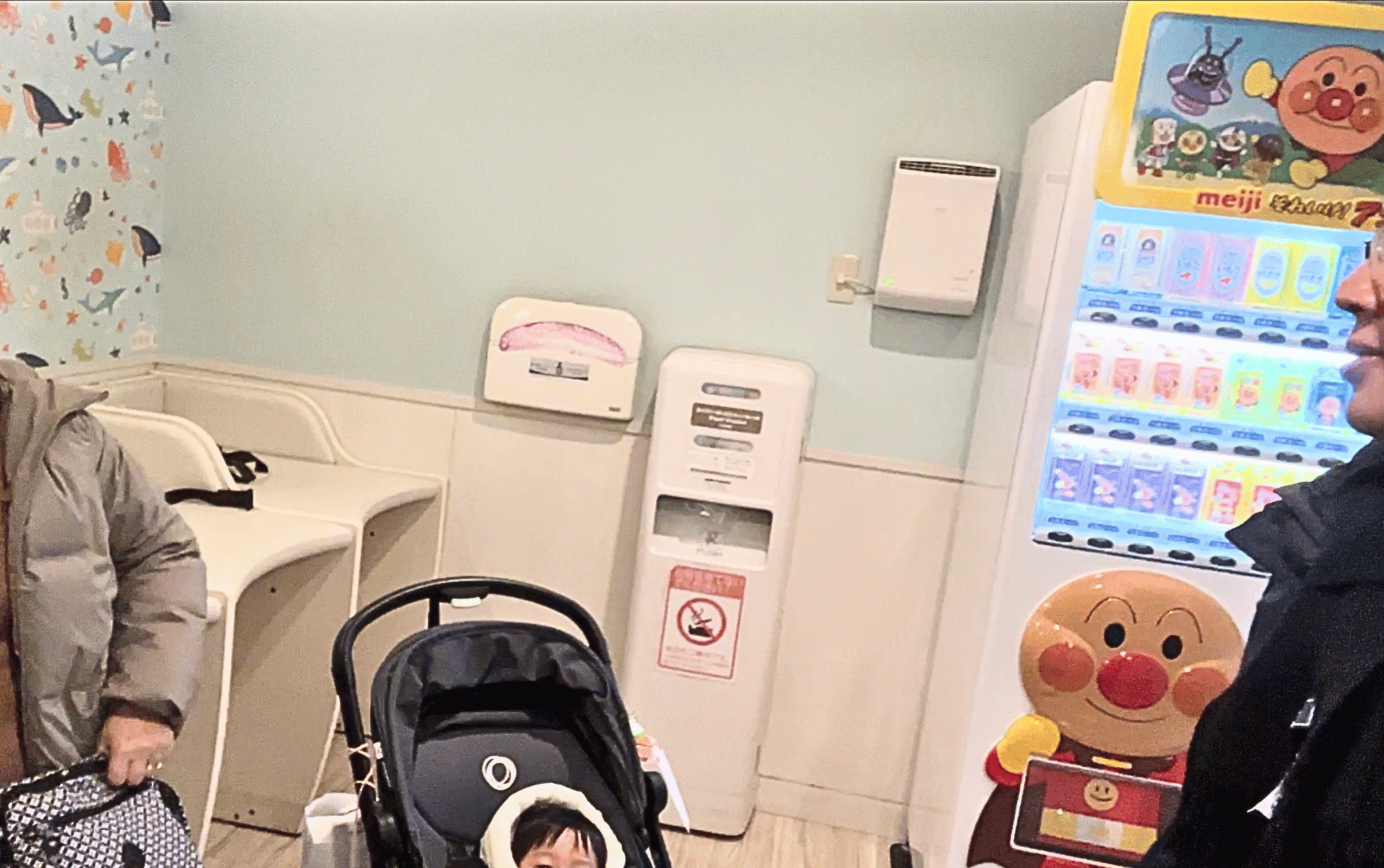
Malls and department stores across Japan are reliably well-equipped — Takashimaya, Mitsui, and Daimaru all had diaper-changing rooms and nursing spaces across multiple floors. We frequently used these as base camps during city days: a place to feed, change, rest, and regroup before heading out again. Rest stops on highways are similarly well-equipped.
For locating diaper-changing rooms on the go, the MamaPapaMap app was especially useful across all our Japan trips — particularly helpful while moving between train stations, malls, and sightseeing areas.