2025Travelling with a Baby: What We've Learned
This isn't a complete guide but a collection of things we've figured out along the way. The kind of things a friend might mention if you asked. Some of it is practical, some of it is hard-won. All of it is from real trips with a real baby.
Before You Book
Check Public Holidays and School Holidays
Before confirming your dates, check the public holidays and school holiday periods of your destination. Popular attractions, resorts, and transport links can get significantly busier during these periods and prices often reflect that too. If you have a particular season or month in mind, factor in whether it coincides with a local long weekend or holiday season that might affect your experience.
Why We Spend Time Choosing Our Hotels
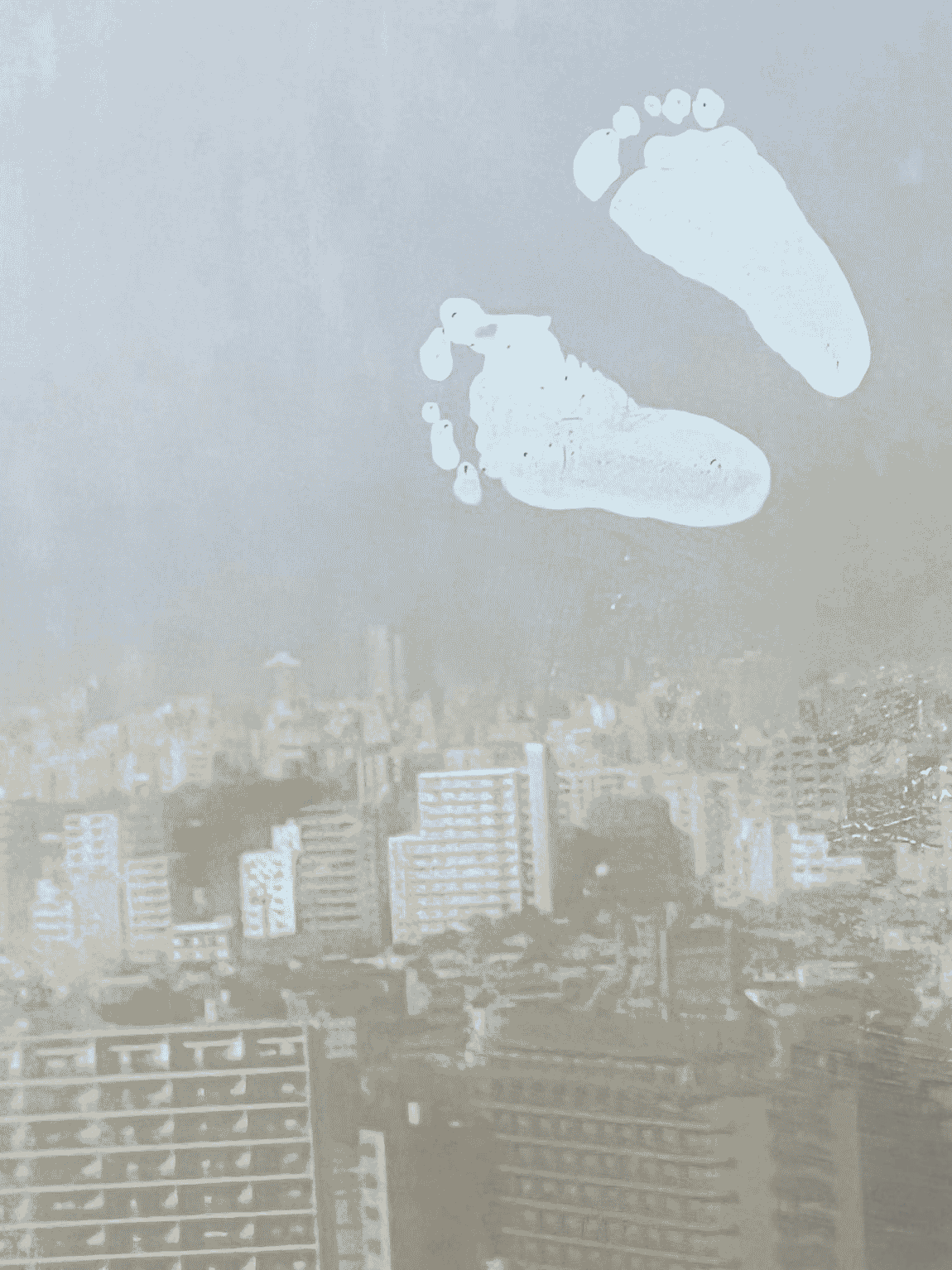
A good base makes more difference than people think. It's what you wake up to and end the day with, setting the tone for the entire trip. Some might argue that if you're out all day, it doesn't matter where you sleep. That might be true without a baby. With one, you spend considerably more time in the room, and the service for anything baby-specific matters when you're away from home and things are already unfamiliar. A good base reduces that stress. It's worth the extra time choosing it.
Laundry
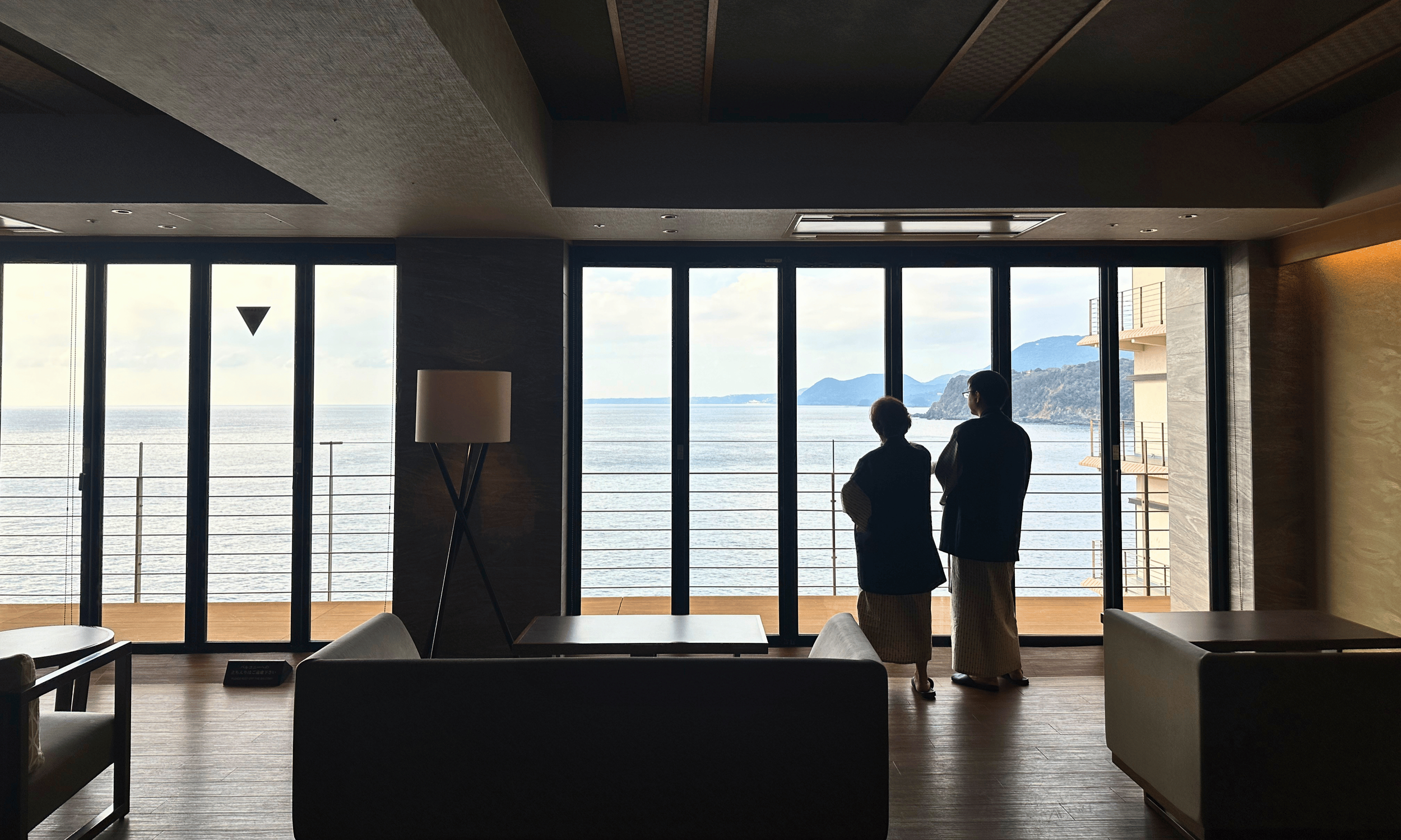
It's worth thinking about laundry before you go rather than during. Packing less means less to carry, but only if you have a plan for the mid-trip wash. Some hotels and Airbnbs have washing machines, which can be a genuine bonus. We specifically chose our Izu Airbnb partly because it allowed for a mid-trip laundry round — useful in the Japanese countryside where laundromats can be harder to find. In urban areas, hotel laundry services or nearby laundromats are more accessible. Building one laundry stop into a longer trip can meaningfully lighten what you need to pack from the start.
Before You Fly
Bassinet Seats
If you need a bassinet seat, book it at the point of purchasing your flight — not after. Availability is limited and they go quickly, especially on popular routes. Once secured, keep your bags to the overhead compartment since the under-seat space in front of you will be restricted. We usually keep just a small pouch within reach: milk bottle, snacks, food-safe wipes, and one toy if needed.
Star Alliance
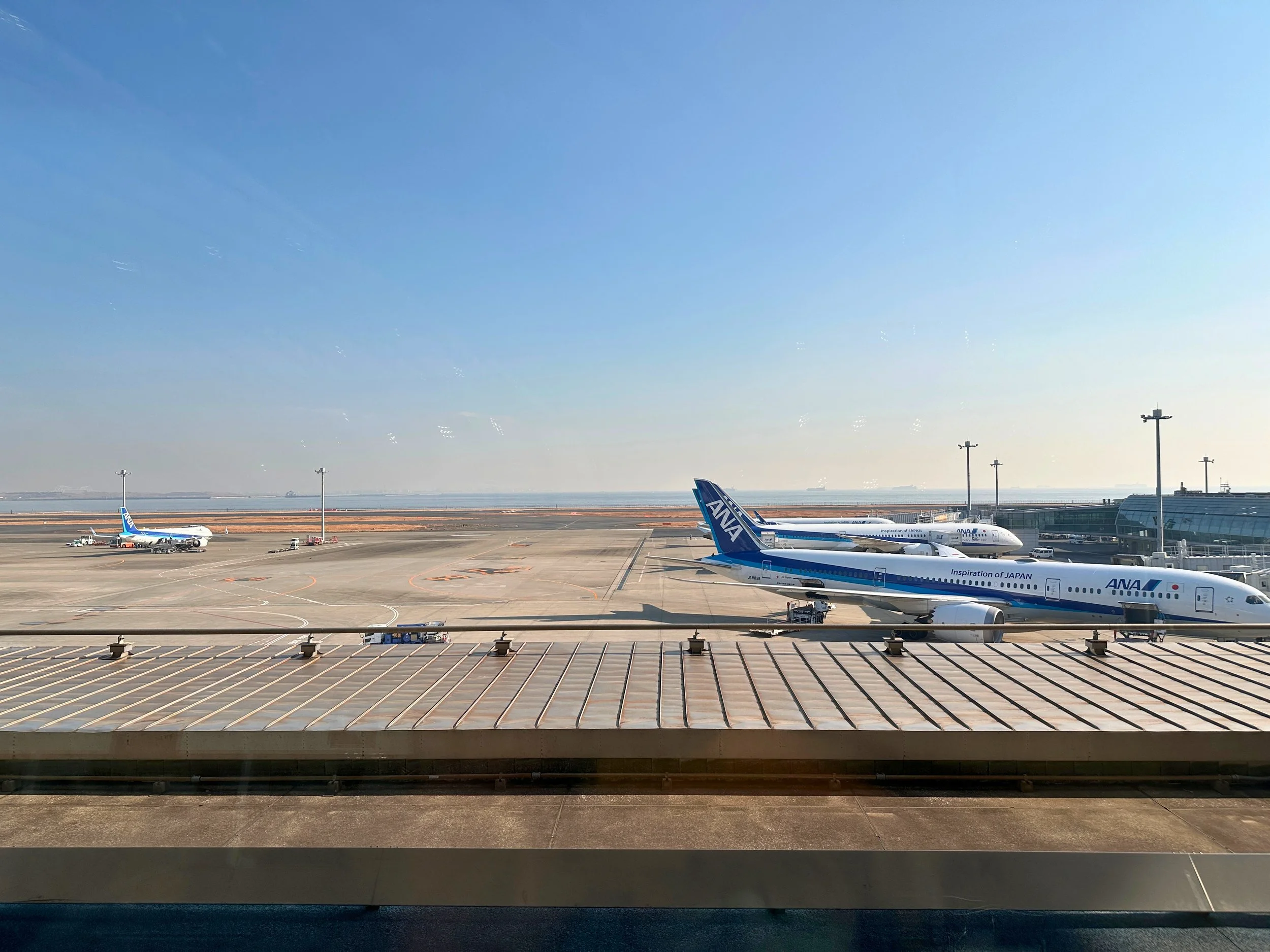
We generally book within the Star Alliance network — Singapore Airlines, ANA, and others for the ease of miles and points accumulation across trips, and the convenience of coordinated arrangements when domestic connections are involved.
ANA vs Singapore Airlines — Infant Experience
One difference worth knowing: on ANA, infants are not required to be belted during the flight. On Singapore Airlines, an infant seatbelt is required during turbulence, take-off, and landing. Both airlines were comfortable overall, though the service styles and onboard setups differed slightly.
For our full ANA and Singapore Airlines experience with a baby, see our Japan articles.
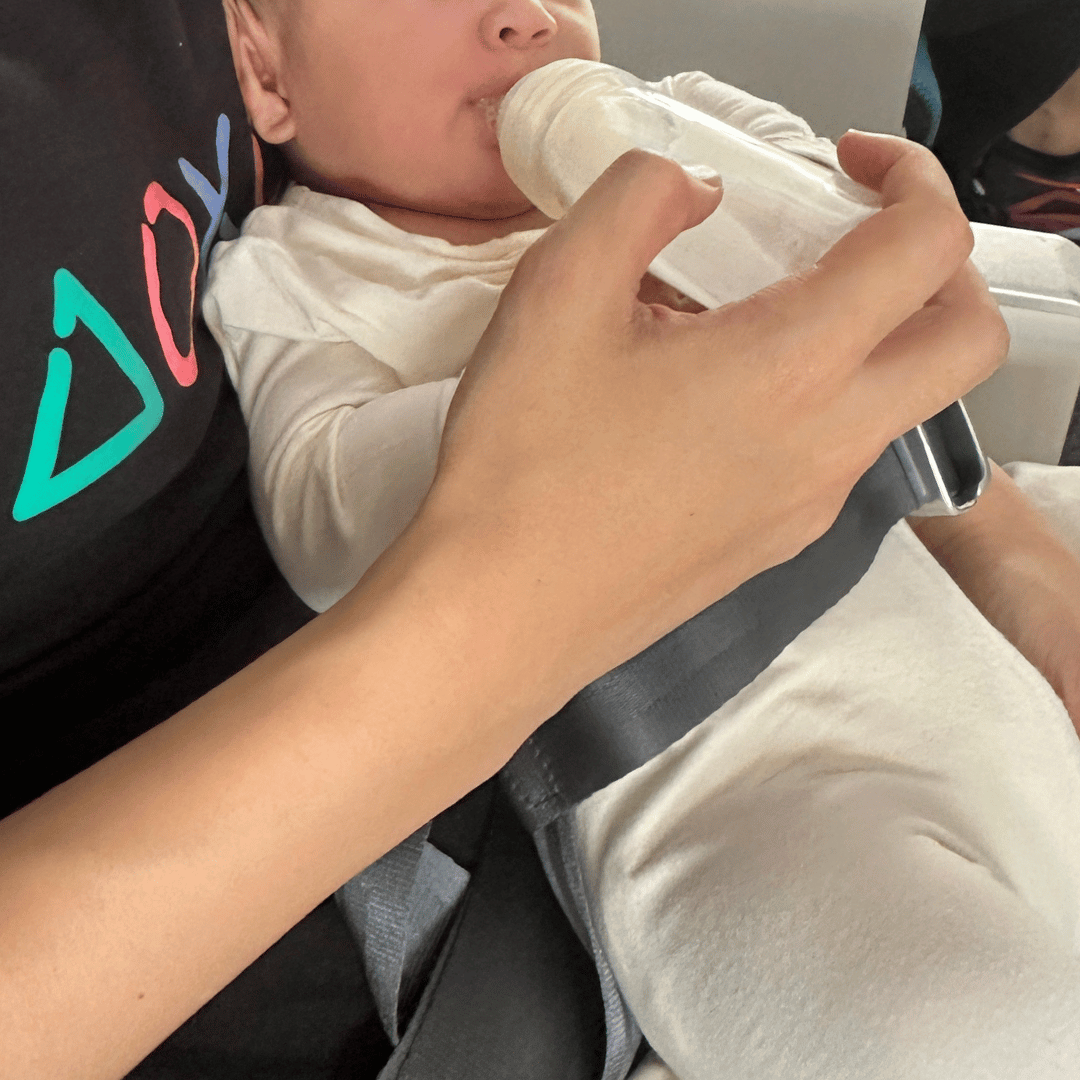
Take-Off
We feed our little one during take-off — it helps with ear pressure and keeps him calm through the transition. If you're formula feeding, prepare the milk before boarding so it's ready to go without the chaos of mixing mid-flight during one of the busiest moments of the journey.
Once on solids, a light snack or some fruit works well too — something to chew on in case of hunger or restlessness during the climb.
In-Flight Entertainment
We save one new toy exclusively for flights — the novelty keeps a baby occupied for significantly longer than a familiar one. We keep it hidden until we're airborne. Low-sound or silent toys are preferable to avoid disturbing other passengers, though the cabin noise is usually loud enough to mask most things.
At The Border
Arriving in a New Country
Always complete arrival procedures in advance where possible — digital arrival cards, immigration declarations, QR code registrations. Having everything ready before you land makes the process noticeably faster, especially with a baby in tow.
Water is generally allowed through security for babies. For other liquids — creams, lotions, purees — check the limits for your specific destination ahead of time. Some baby creams may exceed the standard 100ml limit depending on the country.
Food & What You Can Bring In
Rules vary by country and are worth checking before you pack. Japan in particular has fairly strict customs regulations around fresh produce and certain agricultural items — even baby food ingredients can be subject to inspection. We only brought ikan bilis powder, which was allowed through after declaration.
Departing
Don't forget to check what's allowed in your baby bag on the way out too, not just on arrival. Items that cleared Singapore's security may not pass at your departure airport on the way home. Our baby food scissors were confiscated at Da Nang international airport despite having cleared Singapore outbound security without issue.
Accommodation
What to Look For
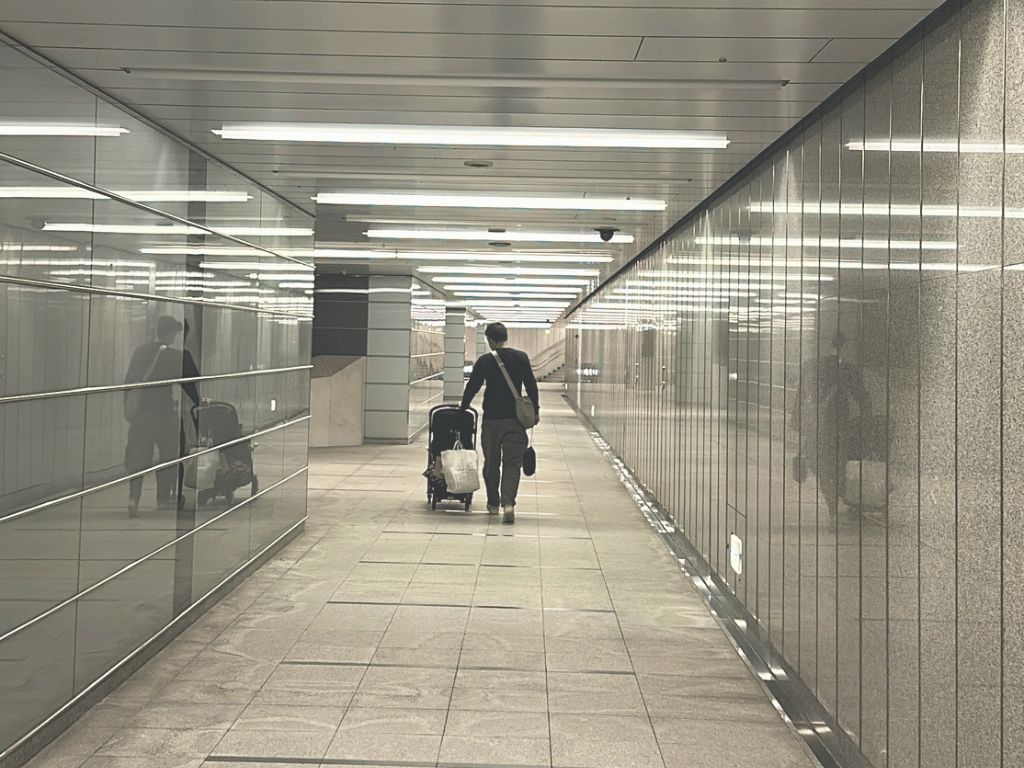
Stroller accessibility is worth factoring in when choosing where to stay, particularly if you won't always have extra hands around. Lifts, ground floor access, and the distance between your room and common areas all add up over the course of a trip.
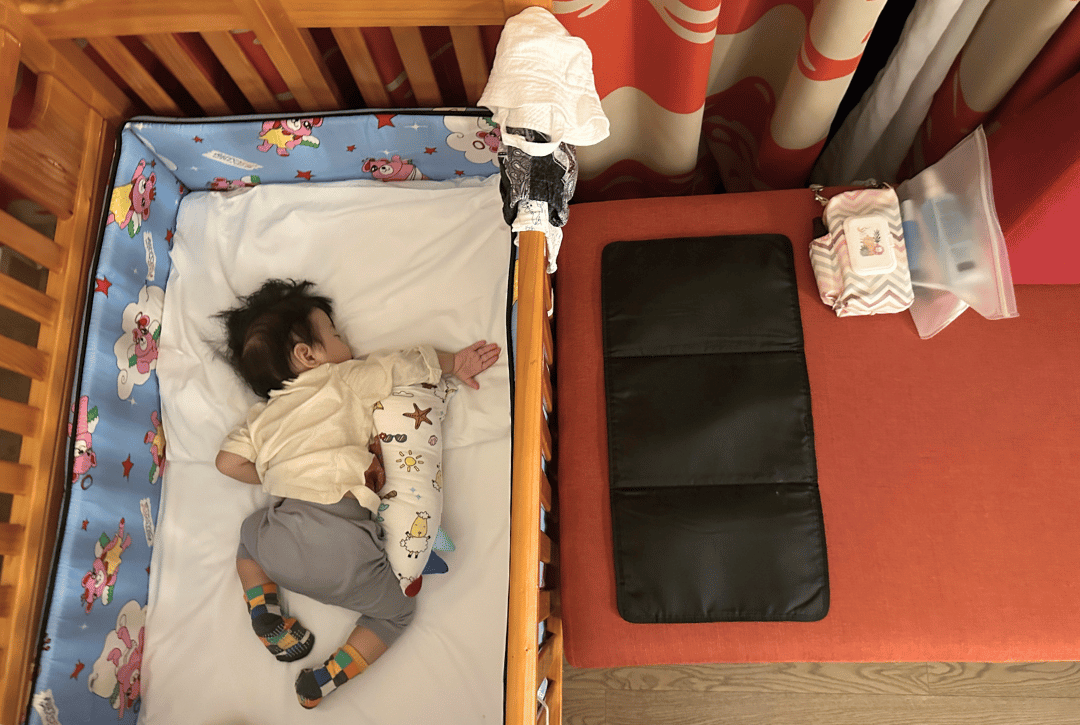
Making the Room Work
Most hotel rooms aren't designed with babies in mind, but a few small adjustments go a long way. We always set up a dedicated feeding and changing area separate from where we sleep — usually around a lounge chair, side table, and kettle. It keeps things contained and within reach without the whole room feeling like it's been taken over.
A lounge chair or sofa in the room is particularly useful — not everything is practical to do on the bed, and having a separate surface makes daily routines more manageable.
Hotels vs Airbnb
Both work well with a baby — they just offer different things. Hotels give you housekeeping, on-call support, and usually a buffet breakfast (which we found invaluable for packing baby's meals for the day). An Airbnb gives you a kitchen, more space, and a home-like rhythm that can suit a baby's routine better.
Getting Around
Stroller
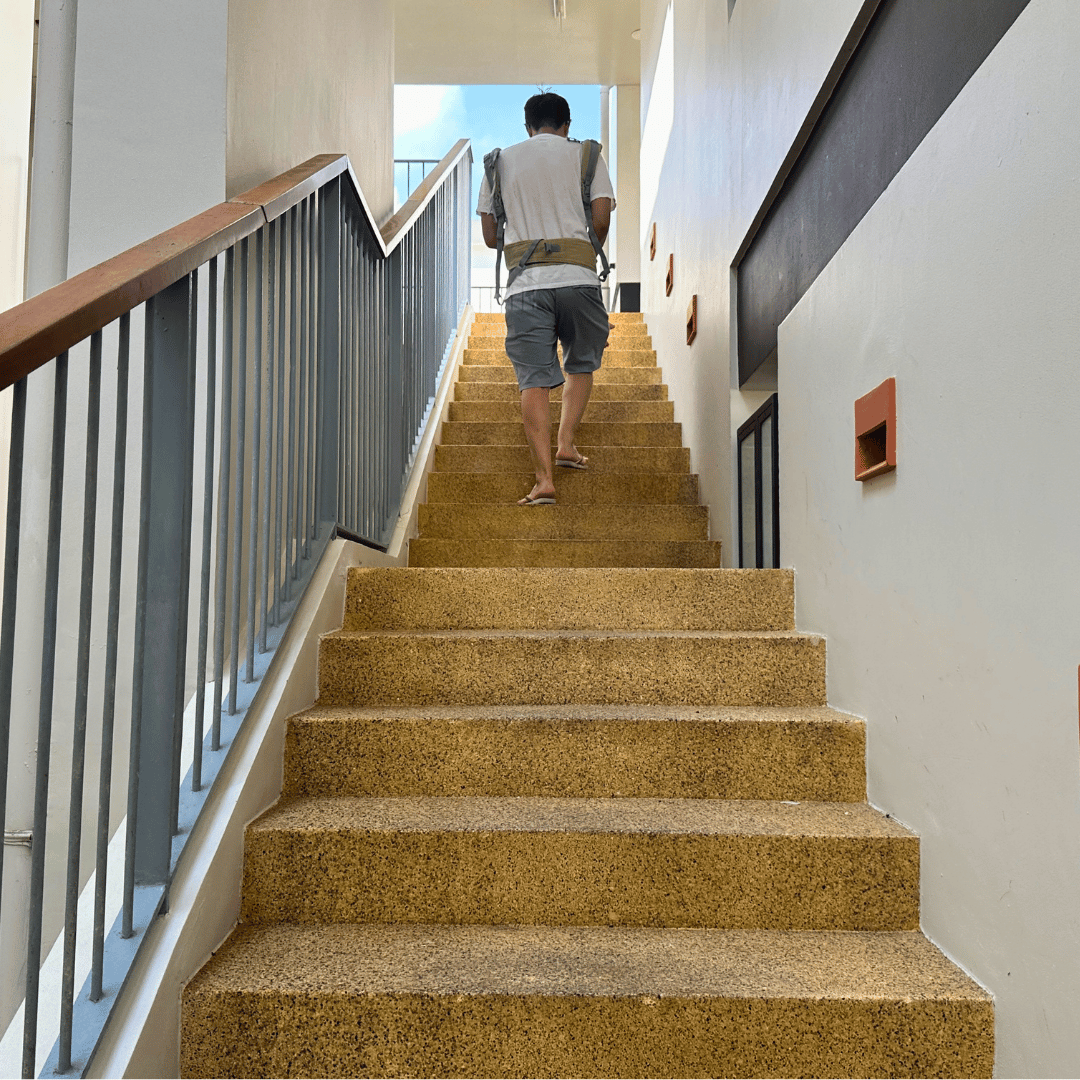
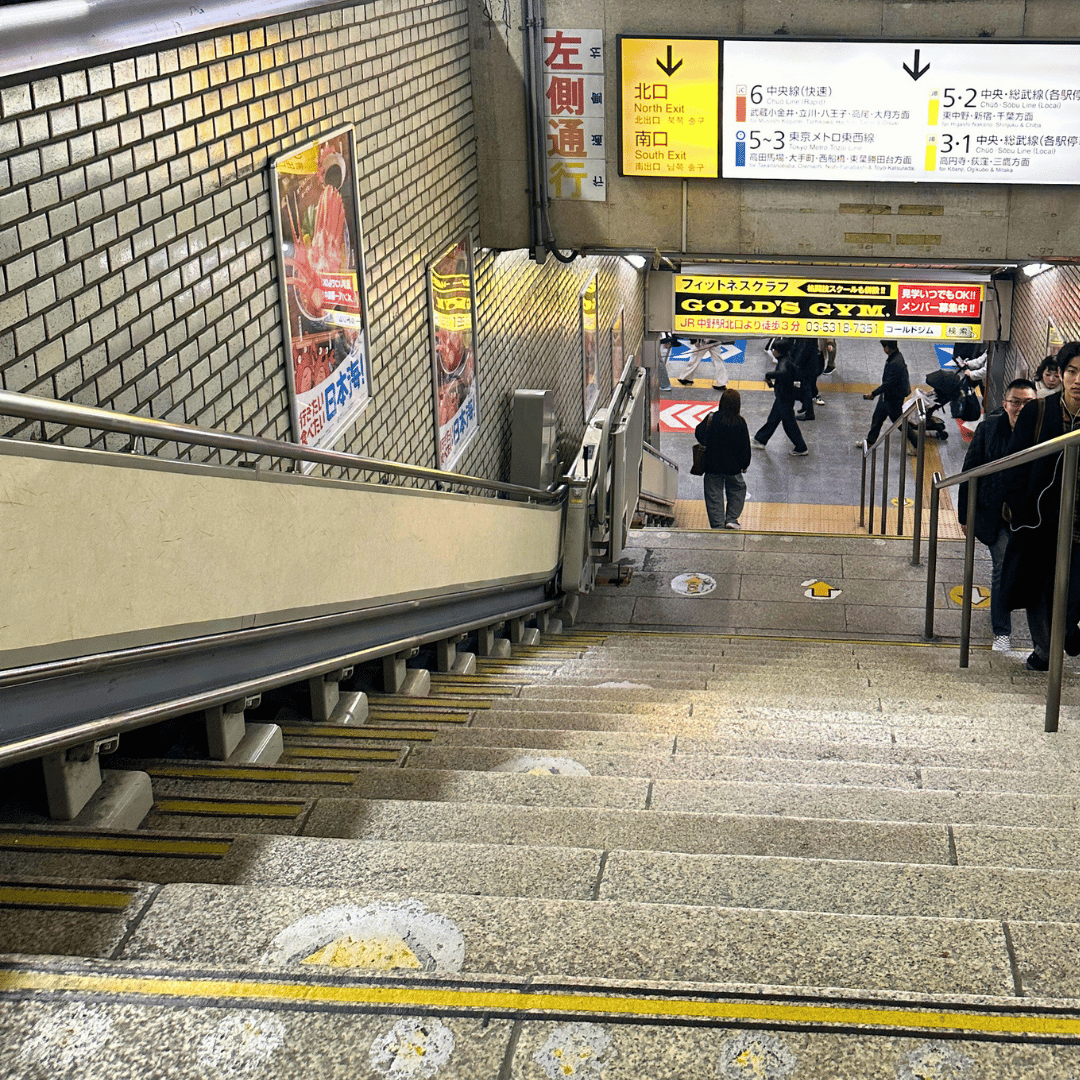
Not everywhere is stroller-friendly — and the gap between what looks manageable on a map and what it's actually like on the ground can be significant. Ancient towns, temples, and older districts often have uneven surfaces, steps without ramps, and narrow pathways. We alternate between stroller and carrier depending on the terrain, and always travel with both.
Carrier
A carrier is essential backup — for stairs without lifts, crowded spaces where the stroller becomes more obstacle than help, and any moment where you need both hands free. We use the Ergobaby Four Position 360, which is easy to swap between parents without re-adjusting from scratch.
Road Safety
Road conditions vary significantly between countries. In Vietnam, traffic is dense and fast-moving and crossing the road requires a particular kind of calm confidence. Car seats and functioning seatbelts in private hire vehicles are not always guaranteed. Travel insurance that covers road incidents is worth having before you go.
On the Go with a Baby
As They Grow — Non-Walking vs Cruising Baby
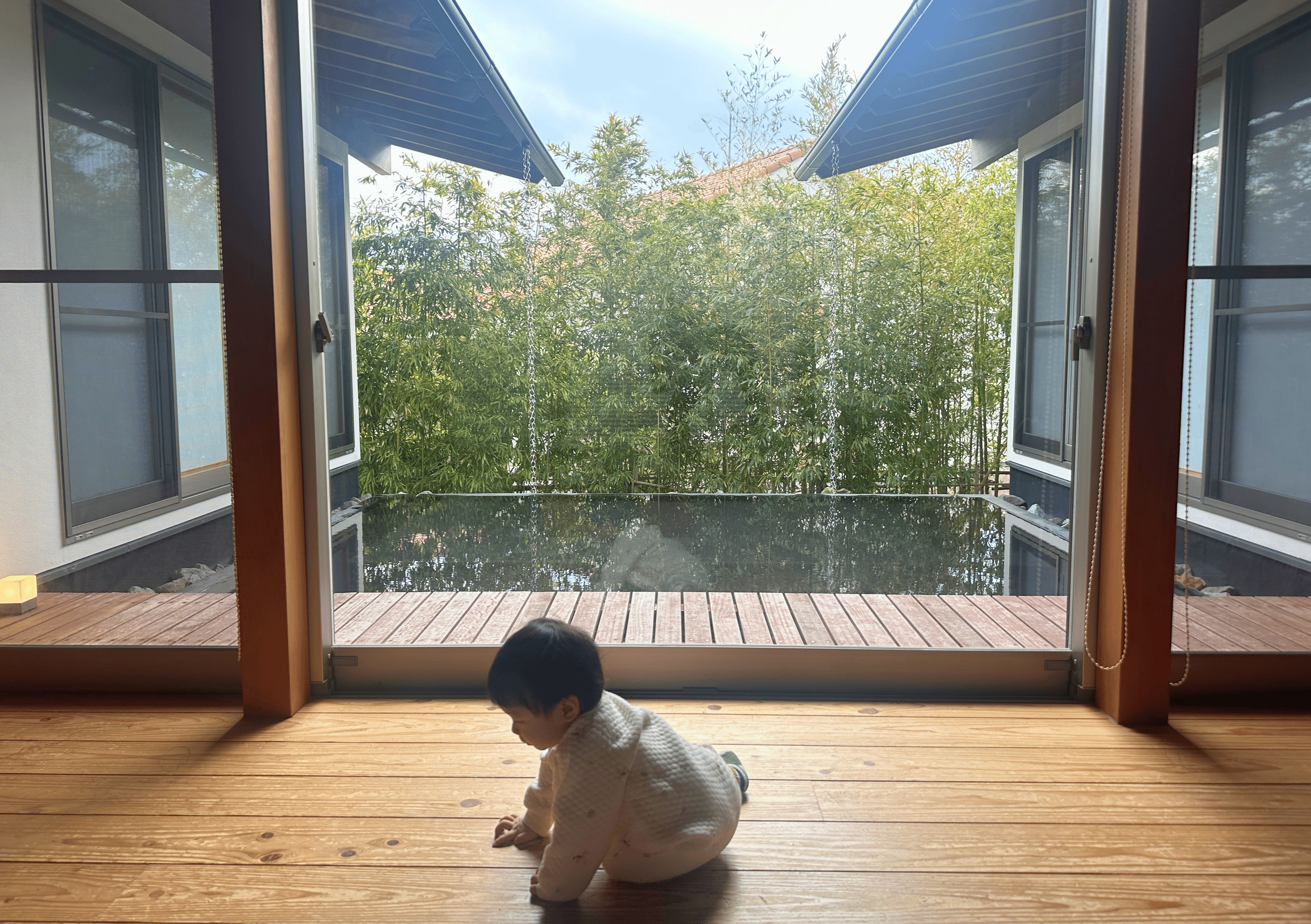
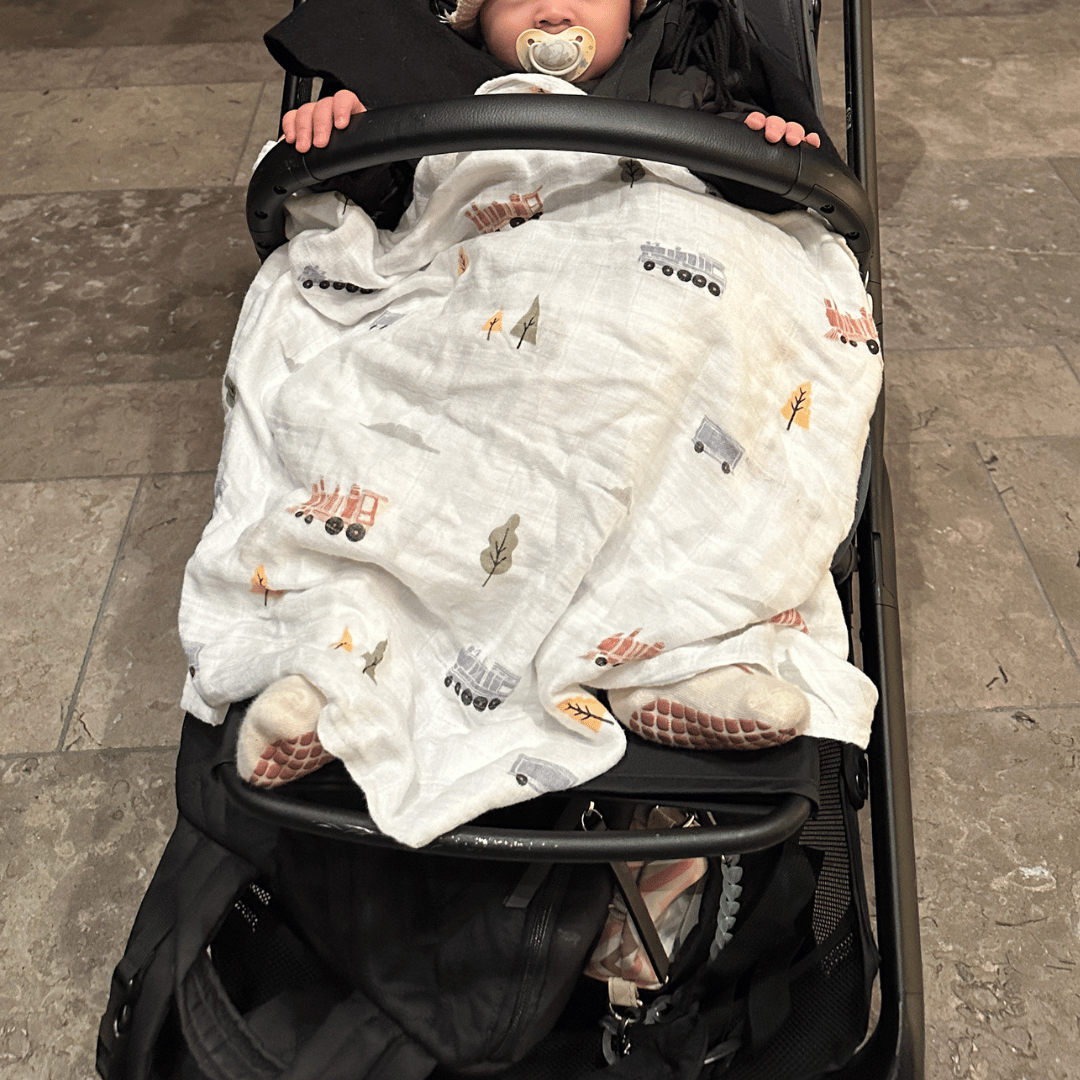
A baby who can't yet walk and one who's cruising or starting to walk independently are very different travel companions. A non-mobile baby stays where you put them — easier to manage in a hotel room, but heavier to carry. A cruising baby is more independent but requires more supervision, especially in unfamiliar spaces with sharp corners, steps, and uneven surfaces.
When there's no cot available and you need both hands free for packing, for a quick meal, for anything — the stroller becomes a useful makeshift seat. Just ensure the room has enough space to wheel it around comfortably.
Feeding Rhythm
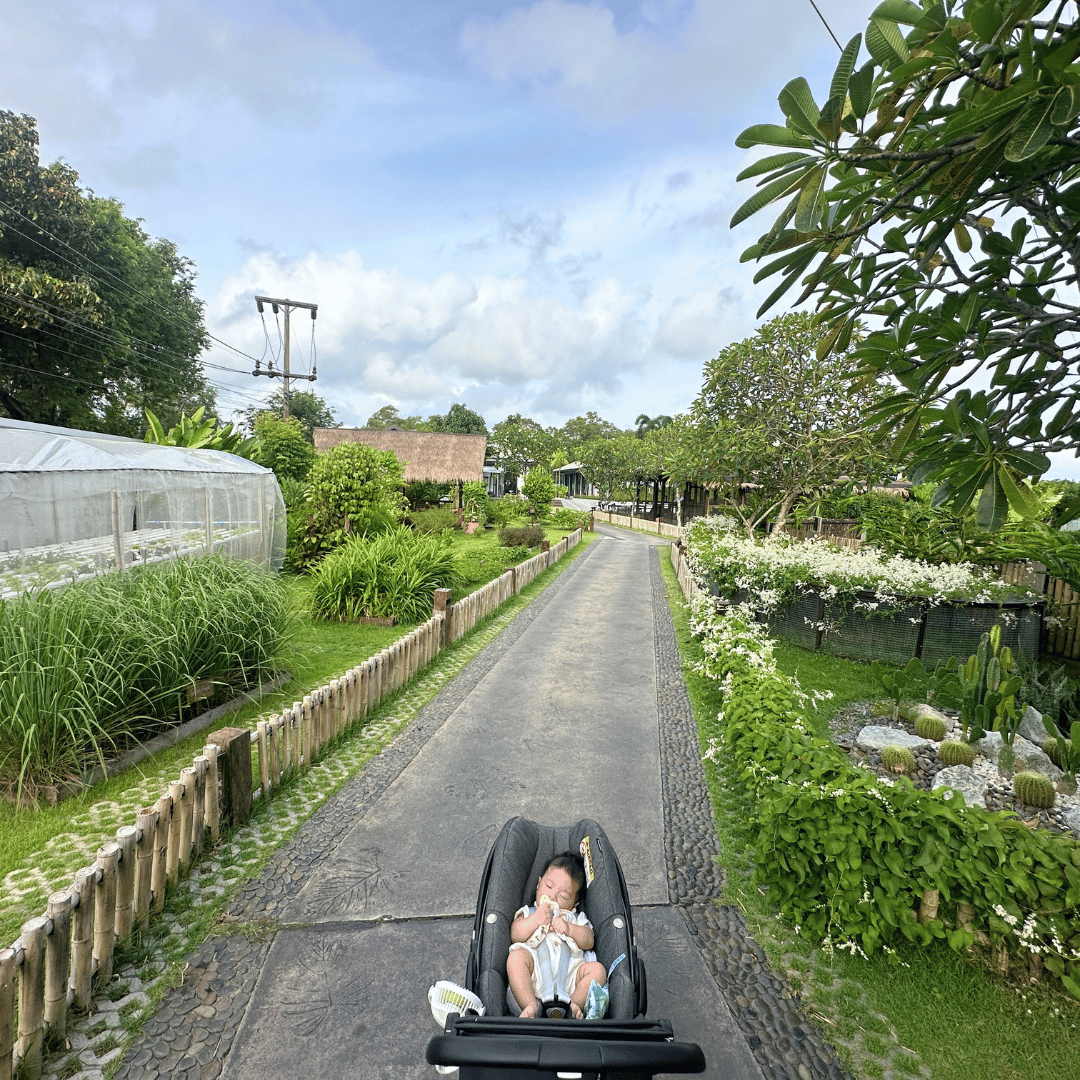
We try to keep as close to our little one's home feeding schedule as possible — adjusting slightly around the day's route rather than overhauling it entirely. Car seat naps work in your favour on driving days. On city days, stroller naps do the same job.
Not Every Meal Has to an Occasion
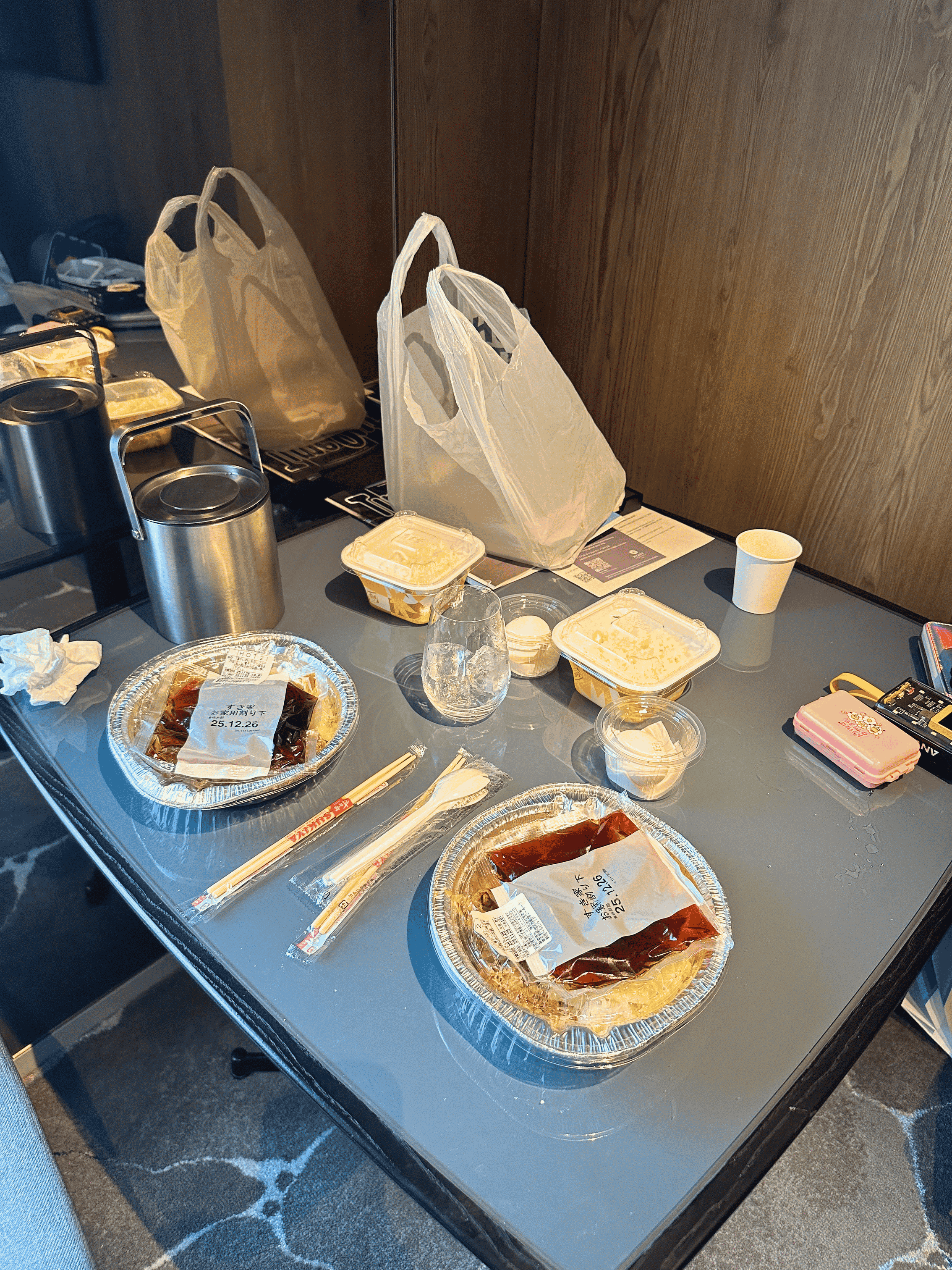
Some meals are simple — a combini find, a takeout box, whatever's quickest, eaten in the hotel room while we pack, or while one of us watches our little one sleep. That doesn't mean they're not good. Some of our most memorable bites have come from a convenience store shelf. It just means not every meal needs to be a sit-down experience, and that's completely fine. Save the occasions for when everyone's ready for one.
When Things Don't Go to Plan
There will be feeds that happen late, naps that get cut short, and days that run longer than anyone intended. We've found it helps to have a few small recoveries ready — an earlier bedtime, smaller and more frequent feeds, a quiet morning after a big day. The goal isn't a perfect schedule; it's a baby who's close enough to his rhythm to still enjoy the trip.
Mental Load
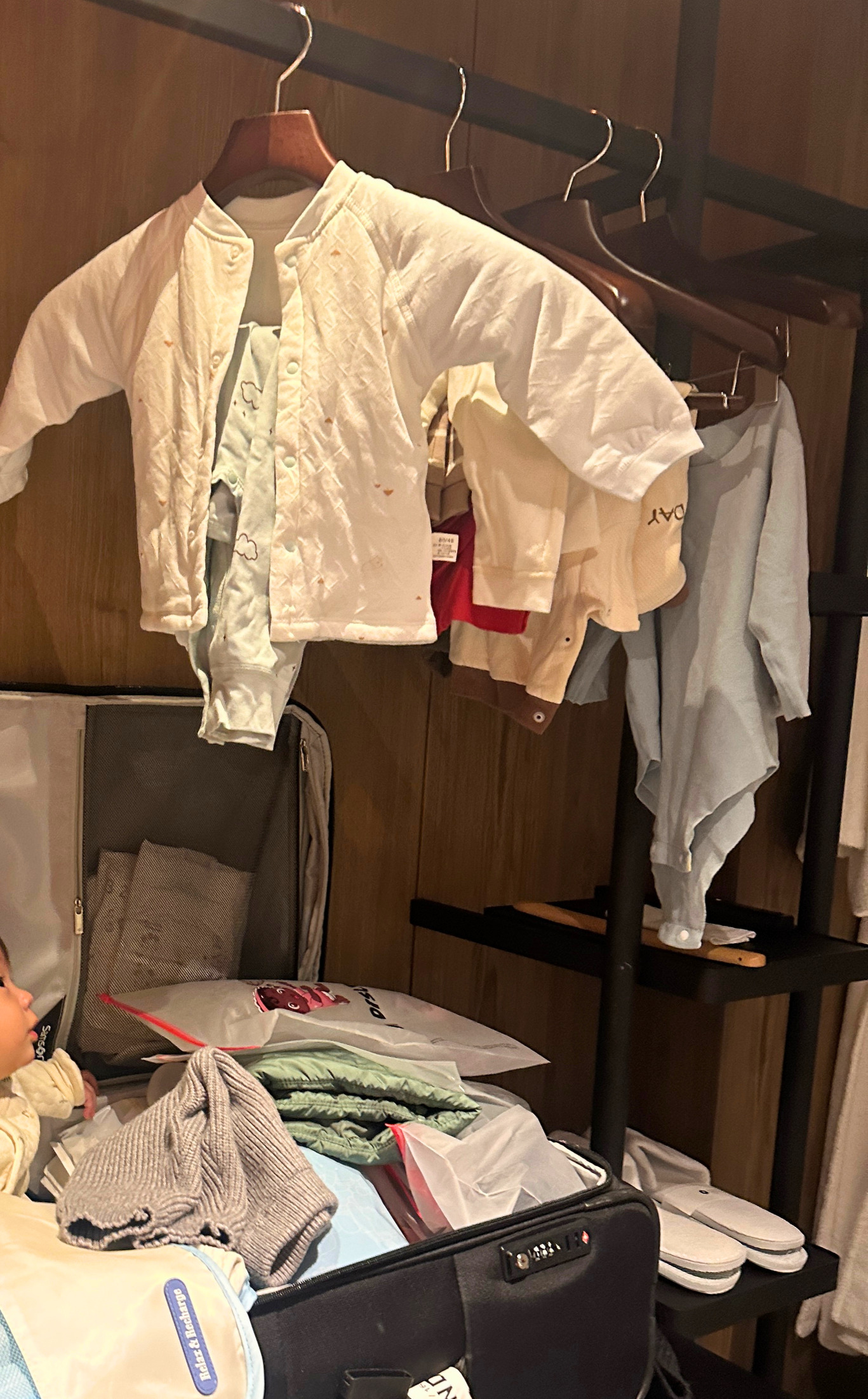
Even on days that go smoothly, there's always something to do after the baby sleeps. Soiled clothes to clean, Washing bottles, sterilising pump parts, topping up the milk powder, boiling water for the next day's feeds. It doesn't disappear — it just gets pushed to later. Building in a little buffer at the end of each day makes it more manageable.
A Note on Travel Insurance
We travel with an annual travel insurance policy that covers our whole family for the year, rather than taking out a new policy for each individual trip. The decision made sense for us because we travel multiple times a year and also make frequent short trips across the border. Having year-round coverage means one less thing to sort before each trip, and we're covered even for spontaneous or last-minute plans.
What matters most when choosing a policy with a baby in tow: medical coverage, trip disruption, and road incident coverage. The last one is easy to overlook but worth having. Road conditions vary significantly across countries, and car seats and functioning seatbelts are not always guaranteed in private hire vehicles.